Skip to content

Food Systems: Building resilience through a just transition

This project seeks to embed just transition principles into South Africa’s food system. It supports policy reform, builds alignment in civil society and labour, and deepens public understanding of equitable and sustainable food systems – laying the groundwork for advancement of a regional agenda.

Related Resources

Explore more of our work connected to this topic.

In The media

See how our work is shaping public debates, informing policy, and driving conversations across South Africa and beyond.

SAfm
IOL
Daily Maverick
IOL

Previous & Upcoming Events

Join our briefings, workshops and policy dialogues.

23 Apr Thursday
Thursday, 23 April 2026 - Friday, 24 April 2026
University of Pretoria
View Details
Symposium | Food Prices and Affordability in South Africa

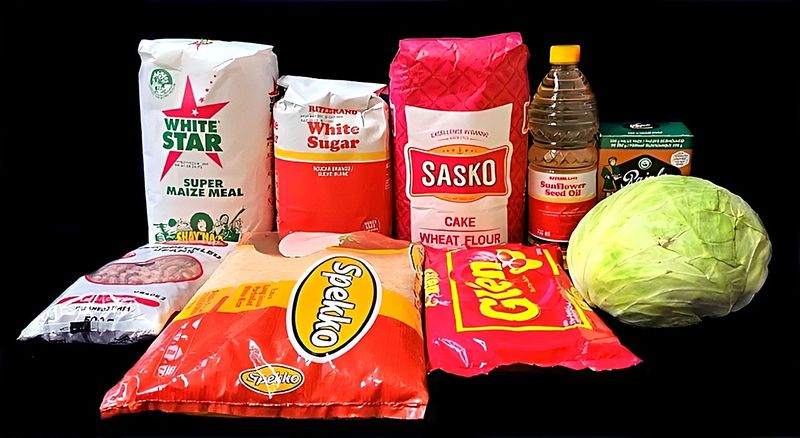
Millions of South Africans struggled to afford sufficient and nutritious food despite the country’s extensive agricultural and food-processing capacity. Food unaffordability reflected not only changing commodity prices, but also low incomes, unemployment, market concentration, unequal value chains, and weaknesses in public policy.

The IEJ, the DSTI-NRF Centre of Excellence in Food Security at the University of Pretoria, and the Just Transitions Network co-hosted a two-day symposium on food prices and affordability in South Africa.

The symposium brought together representatives from national and local government, labour, civil society, academia, research institutions, the private sector, and the informal food economy. Participants examined the scale and drivers of food unaffordability, including price formation across food value chains, corporate concentration, household incomes, energy and transport costs, climate pressures, trade, and geopolitical instability.

Discussions moved from diagnosing the crisis to considering practical interventions, including stronger competition enforcement, improved price transparency and market monitoring, strategic food reserves, local processing, crop diversification, public provisioning, and a more coherent national food-affordability policy.

Our Other Projects
Back To Top